

My Toolbox
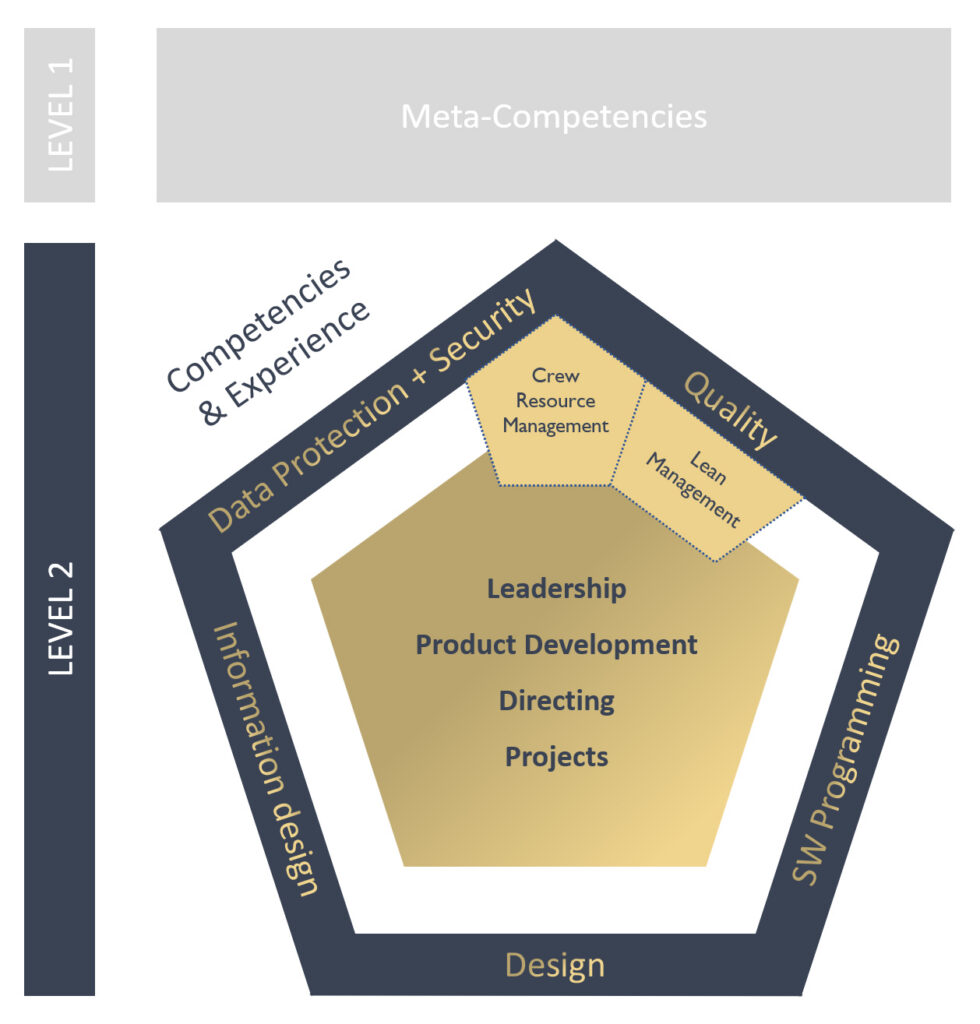
“My practical experience and skills in these five areas enable me to successfully implement high-quality transformations and governance across diverse contexts.”
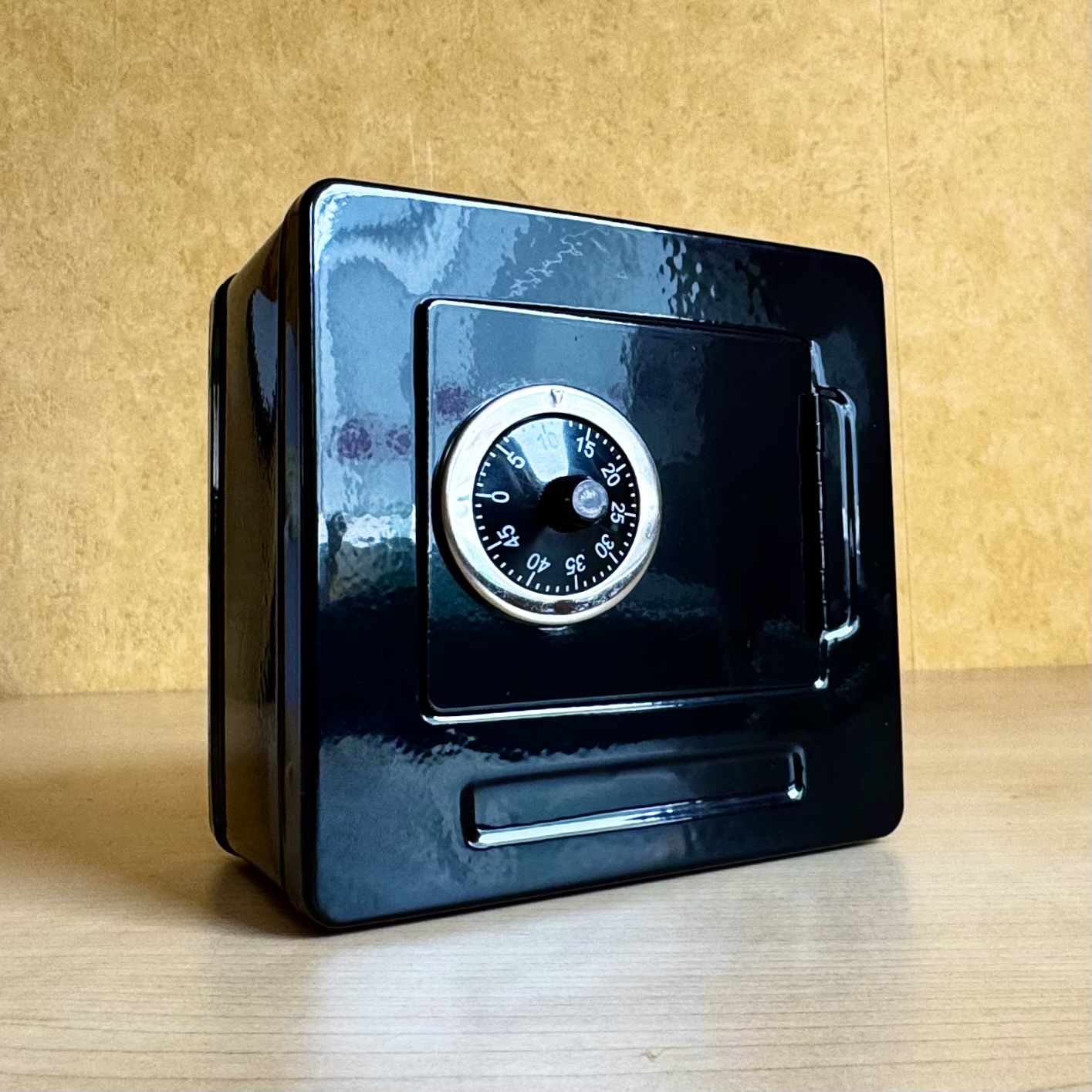
Data protection + Security
Data protection is more relevant than ever today, because in a data-driven economy, companies can only remain capable of action, trustworthy, and legally secure if they consistently ensure the responsible handling of information.
Excerpt from my former Tasks at Mercedes Benz AG:
- Data protection advisory services acting as a Single Point of Contact (SPC)
- Training for data protection coordinators
- Specialist support for management divisions
- Implementation of internal data protection policies
- Continuous monitoring and assessment of new data protection and information security requirements (GDPR, Digital Services Act, internal global policies)
- Preparation of decision proposals on data protection topics for the Executive Committee
- Awareness campaigns regarding data protection and cybersecurity
- Web content & branding
- ROPA (Record of Processing Activities) management
- Support for audits, assessments, and incident management
- Cross-functional networking
- Coordination with works councils / Tailored advice for user groups

Quality
Quality and quality controls are a catalyst for the success or failure of governance and transformations.
The DIN EN ISO 9000:2015‑11 standard defines quality as the degree to which a set of inherent characteristics of an object fulfills requirements.
“Inherent” refers to permanent, measurable properties or characteristics.
The “object” can be a product, a process, or a service.
As a surveying technician, one learns early on that a slight directional deviation is barely noticeable – or has no perceptible impact – at close range.
However, at a distance of 50 or 100 meters, that same deviation can have massive consequences, causing one to miss the target significantly. A clear second example is hiking with a compass: a tiny error at the start leads to a substantial deviation from the planned route later on.
I know from experience that the aspect of quality is often woefully neglected – whether because something is “only needed once”, because lessons from past experience were not heeded, or because the consequences of poor quality have not yet been personally experienced.
The consequences range from a costly waste of working time to fatal accidents.
Example
In 2001 witnessed the latter at a former employer: a surveying flight ended in tragedy when the aircraft flew into a mountain at full speed due to complacency, multiple rule violations, and a lack of crew resource management.
The result: four colleagues lost their lives, the aircraft was completely destroyed, and the company suffered millions in damages.
In the fields of governance and transformation alike, the level of quality we ensure in our daily work is a decisive factor in the final outcome.
Properly assessing the level of quality required in a given situation demands experience, judgment, and discipline. I bring these skills to every task and every environment.
Software Programming
Micro-Apps: It doesn’t always have to be a “major breakthrough” to reach the goal efficiently.
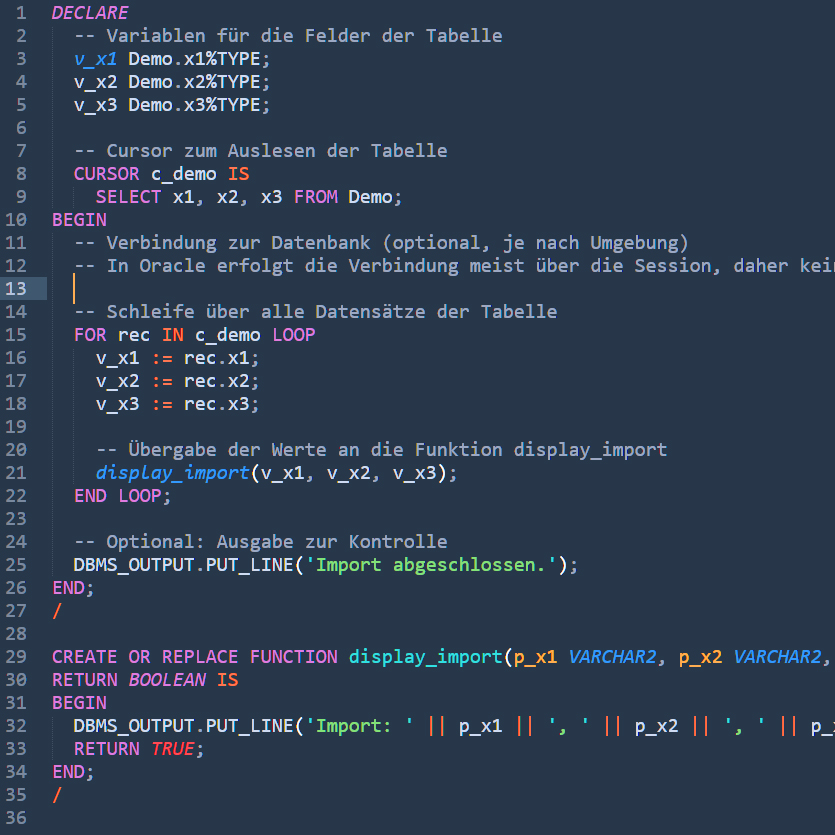
My programming career began in the classic way with BASIC on the C64. Later, I added Visual Basic, HTML, JavaScript, and PHP to my skillset. As a senior developer, I implemented extensive API programming for payment systems using PL/SQL (Oracle). Once you truly master a few languages, you can generally adapt to new technologies quickly—an experience that continues to shape my approach to work today.
Over the years, I have developed numerous micro-apps, tools, and technical extensions that have made a real impact at various companies.
Examples
- Survey data conversion for Flight Inspection International: Processing and transforming theodolite measurement data for flight inspection workflows.
- Lufthansa Cargo – Content Management System for the employee representative body: Structuring, automating, and simplifying internal information processes.
- EDS Asset Manager extension: Transforming a complex, tabular data structure into a graphical interface with clear information design.
- Ticket tracing & process analysis for Lufthansa Systems: Providing transparency regarding ticket flows, bottlenecks, and optimization potential.
- Manual Deployment Tracker for shop software deployments at asknet AG: Step-by-step tracking of deployment phases, including rollback logic for time-critical situations.
- Leading a GDPR compliance project using JIRA: Structuring, managing, and documenting all measures required to achieve compliance.
- GDPR-compliant topic statistics: Automated transfer of content from Word to Excel to drive operational excellence at Mercedes-Benz AG.
Today, I leverage AI-assisted development to create small, highly effective programs. Such micro-apps are particularly valuable during transformation processes because they offer short development cycles, high flexibility, and immediately tangible benefits.
Instead of programming large software packages myself, I am increasingly taking on a leadership role: I support professional development teams with clear principles, quality standards, and constructive criticism—particularly in areas where the human factor, governance, or process discipline is crucial.
Information Design
Communicate complex ideas with clarity, precision, and efficiency.
Edward Tufte describes the essence of graphical excellence in his famous definition:
“Graphical excellence is that which gives to the viewer the greatest number of ideas in the shortest time with the least ink in the smallest space.”
Graphic excellence means communicating complex ideas with clarity, precision, and efficiency.
Examples
This principle applies to almost every area – from maps, reports, and educational materials to presentations, user interfaces, statistics, and résumés. The goal is always the same: to provide the viewer with maximum transparency and insight while minimizing visual distraction.
The business card you received was also designed according to this principle, incorporating considerations of data privacy and user interaction. Despite the seemingly limited amount of information, the card embodies 30 deliberate design choices, all aimed at enhancing clarity, functionality, and readability.
These principles are particularly critical in aviation, where a lack of clarity in how information is presented can quickly determine the difference between safety and danger. Precision, reduction, and unambiguous communication are not merely aesthetic ideals; they are vital requirements.

Design
Good design is like an appetizing dish: the very first glance sparks interest and leaves you wanting more.
My focus in Design is on technical design, teaching materials, documentation as well as stimulating and evaluating communication design. Thanks to my many years of private work in photography, I am very familiar with the production processes for web and print. Occasionally I also design logos, icons, websites as well as teaser and hero images – analogue, digital or with the help of modern AI tools such as Midjourney.
Good Reasons for Design
Products, advertising, presentations, teaching materials and documentation should also be designed to be appealing. Because design is not only a form of appreciation for users, but also a subtle influencing factor – it conveys zeitgeist, personality, atmosphere and aesthetics through medium and design. Some other effects:
- Emotional connection / positive user experience
- Quality assurance
- Reduction of cognitive load
- Faster decision-making
- Accelerated processes
- Professional impression
- Increased trust
- Error prevention
- Reduced training effort
- Improved accessibility of complex content
- Self-explanatory structures / “silent teacher”
- Competitive advantage